Chicago operators, builds worth studying.
Chicago's operator-led scene skews toward Shopify and DTC commerce, and the brands below run builds worth studying: Equilibria, Hanahana Beauty, Pear Nova, Filtrous. None are Digital Heroes clients, they are the kind of founder-run businesses we admire and build for in Chicago, and this is an editorial read of what each gets right, taken from the public storefront.
How we chose, and what this is not.
- These are operator-led brands we admire in the Chicago market, picked from public research, not Digital Heroes clients. No affiliation, no engagement, no endorsement is implied.
- Every observation is our own editorial read of each brand's public homepage. The screenshots are public storefronts, shown for commentary.
- Digital Heroes is excluded, we do not rank ourselves alongside brands we admire.
- Each brand links to its own site. Go buy from them.
Equilibria.
Coco Meers, Co-Founder & CEO, runs Equilibria in Chicago, an operator-led brand we admire (not a Digital Heroes client). myeq.com. A Plus build earns its tier when the merchandising logic, B2B price lists, or subscription cadence are genuinely custom, not when it is a Dawn theme with a bigger bill. The tell of a good one is that the complexity lives in Functions and metafields, not in a pile of apps each adding latency.
The build worth studying is the one that stays fast and focused as it grows, custom logic where it differentiates, restraint everywhere else. That is harder than adding features, and it is what separates a store that scales from one that stalls.
Hanahana Beauty.

Abena Boamah-Acheampong, Founder & CEO, runs Hanahana Beauty in Chicago, an operator-led brand we admire (not a Digital Heroes client). hanahanabeauty.com. The Shopify build that ages well keeps its custom logic in the variant, metafield, and Liquid layer rather than a stack of overlapping apps, every app is latency and a future compatibility risk. A lean theme with a fast product page beats a feature-rich one that takes four seconds to paint on mobile.
What an operator can learn here is the discipline behind the surface: a fast page, a clear single action, and trust signals where the decision actually happens. The craft is mostly in what was left out.
Pear Nova.
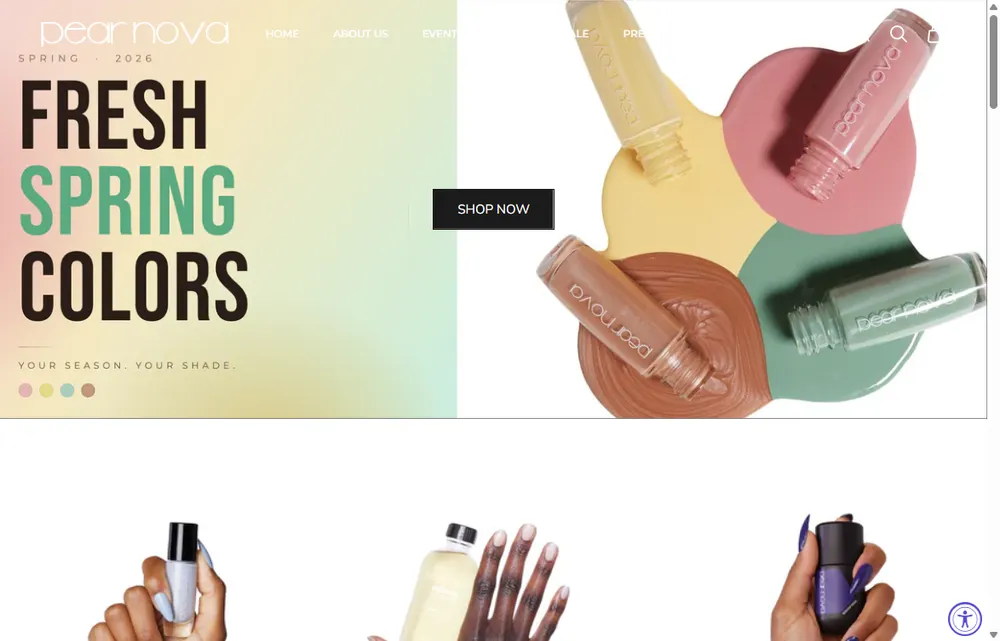
Rachel James, Founder & CEO, runs Pear Nova in Chicago, an operator-led brand we admire (not a Digital Heroes client). pearnova.com. The Shopify build that ages well keeps its custom logic in the variant, metafield, and Liquid layer rather than a stack of overlapping apps, every app is latency and a future compatibility risk. A lean theme with a fast product page beats a feature-rich one that takes four seconds to paint on mobile.
What an operator can learn here is the discipline behind the surface: a fast page, a clear single action, and trust signals where the decision actually happens. The craft is mostly in what was left out.
Filtrous.
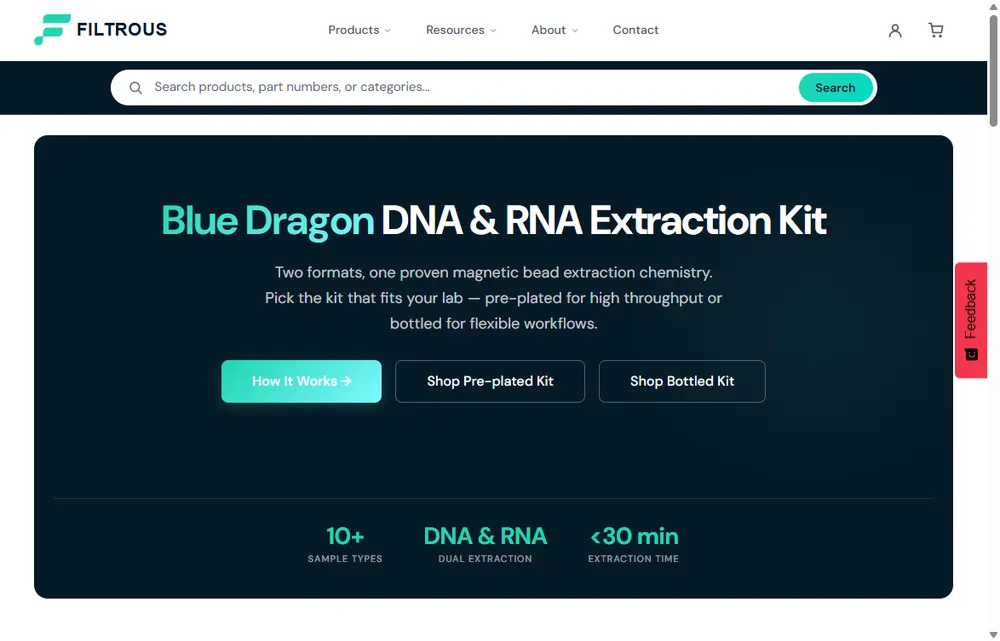
Jamie Robinson, Founder, runs Filtrous in Chicago, an operator-led brand we admire (not a Digital Heroes client). filtrous.com. Ecommerce builds live and die on the product page and the checkout, fast images, trust near the buy button, and a path to purchase with no dead ends. The platform matters less than the discipline: image weight, script budget, and a checkout that does not make the buyer think.
What an operator can learn here is the discipline behind the surface: a fast page, a clear single action, and trust signals where the decision actually happens. The craft is mostly in what was left out.
Chicago's operator-led commerce runs deeper.
Chicago runs a genuinely founder-led commerce scene, operator-run brands rather than venture-flipped ones. The builds above are the ones we found most instructive to read, but they are a sample, not a ranking.
Chicago's ecommerce base is smaller than the city's size suggests. Bureau of Labor Statistics QCEW data for Cook County shows employment at electronic shopping and mail-order houses more than doubled from 3,007 in 2014 to 6,091 in 2021, spread across 398 establishments paying $452.3 million in annual wages. The sector then flattened after 2019, and its employment location quotient sat at 0.78, roughly 22 percent below the national concentration. Cook County's wider retail trade sector still ran 12,756 establishments and 214,653 workers in 2024. Chicago produces commerce operators rather than an ecommerce labor cluster, which is part of why the brands here stay founder-run.
Show the data behind this chart
| Year | Electronic shopping and mail-order houses (annual average employment) |
|---|---|
| 2016 | 5.2k jobs |
| 2017 | 5.5k jobs |
| 2018 | 5.9k jobs |
| 2019 | 6.2k jobs |
| 2020 | 6.1k jobs |
| 2021 | 6.1k jobs |
If you run an operator-led Chicago brand and want an honest read of your own build, what is converting, what is leaking, and what a careful team would change first, that is the kind of work we do. The audit is free and the framing is plain. More city reads: Boston, Phoenix, or your own city via Chicago services.